Coastal Georgia Autumn Pet Safety: Acorns, Cane Toads, and Fall Outdoor Hazards in Liberty County
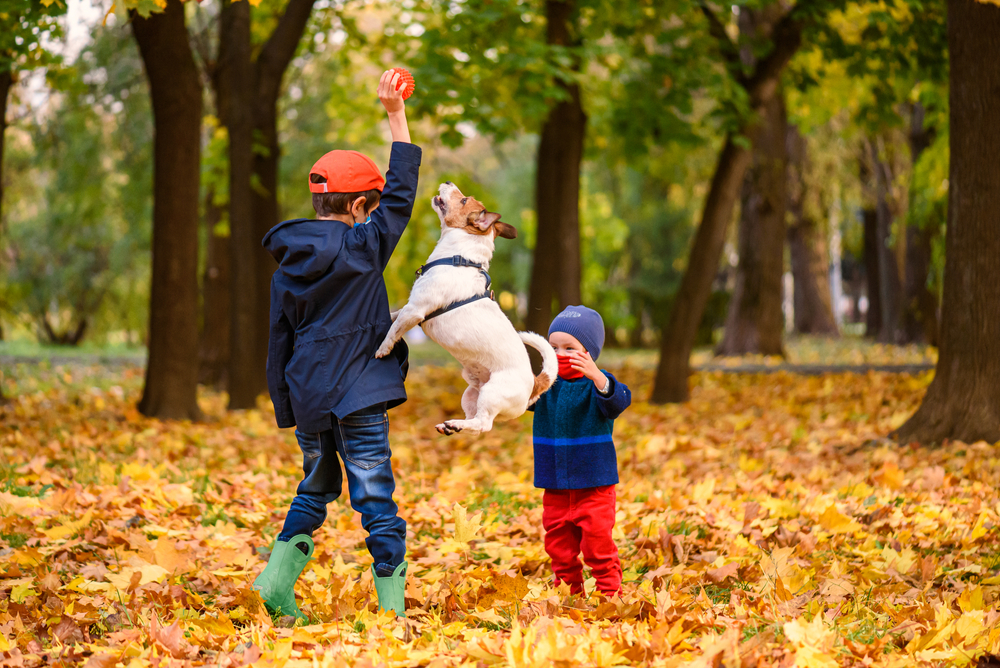
Autumn in Coastal Georgia brings cooler temperatures and more opportunities to enjoy the outdoors with your pets. Whether you're walking your dog through Hinesville or exploring trails throughout Liberty County, seasonal changes can introduce unexpected hazards.
At Liberty Animal Clinic, we want pet owners to recognize potential dangers before they lead to injuries or illnesses. From fallen acorns to potentially toxic wildlife, understanding common fall pet safety risks can help protect your furry companions.
Are Acorns Dangerous for Dogs?
Acorns are common beneath oak trees throughout Liberty County, especially during the fall. While they may seem harmless, eating acorns can cause gastrointestinal irritation in dogs.
Acorns contain tannins that may contribute to vomiting, diarrhea, and abdominal discomfort. Swallowing large quantities can increase the risk of illness, while whole acorns may create choking hazards or intestinal blockages, particularly in smaller dogs.
We recommend supervising dogs around oak trees and discouraging them from chewing fallen nuts. If your pet swallows acorns and develops concerning symptoms, contact our veterinary team for guidance.
Cane Toads and Other Toxic Toads in Coastal Georgia
Toads are another outdoor concern for curious pets. Cane toads, also called marine toads, are highly toxic and are not considered established wildlife in Liberty County. However, native toads can also release defensive secretions that irritate a pet's mouth.
Dogs that lick or bite a toad may experience excessive drooling, pawing at the mouth, vomiting, or other symptoms. Severe cane toad poisoning can cause seizures and dangerous heart abnormalities.
If your dog encounters a suspected toxic toad, gently rinse or wipe the mouth while preventing water from being swallowed or inhaled, and seek immediate veterinary assistance. Do not wait for severe symptoms to develop.
Common Fall Outdoor Hazards for Pets
Beyond acorns and toads, autumn introduces several other concerns for pets spending time outside in Hinesville and surrounding communities.
Some common seasonal hazards include:
Mushrooms: Certain wild mushrooms are poisonous and can cause serious illness if consumed.
Snakes: Venomous snakes may remain active during warm autumn weather, particularly around wooded areas and tall grass.
Fleas and Ticks: Coastal Georgia's mild climate allows parasites to remain a concern well into fall.
Standing Water: Puddles and stagnant water may expose pets to harmful bacteria, including those responsible for leptospirosis.
Yard Chemicals: Fertilizers, pesticides, and other lawn products can be harmful if pets ingest them or contact treated areas.
Keeping your yard clear of debris, monitoring outdoor activities, and maintaining appropriate parasite prevention can help reduce these risks.
How to Keep Your Pet Safe During Fall Adventures
Preventing seasonal injuries starts with awareness and consistent supervision.
When walking your dog around Liberty County, use a leash in unfamiliar areas and prevent your pet from investigating unidentified plants, mushrooms, or wildlife.
We also recommend checking your pet's paws and coat after outdoor activities. Look for ticks, cuts, irritation, or anything unusual.
Regular veterinary wellness exams provide another opportunity to discuss seasonal risks, vaccinations, and parasite prevention based on your pet's lifestyle.
When Should You Contact a Veterinarian?
Some outdoor exposures require immediate medical attention. Persistent vomiting, excessive drooling, difficulty breathing, weakness, seizures, or sudden behavioral changes may indicate poisoning or another serious condition.
At Liberty Animal Clinic, we provide veterinary wellness and urgent care services to help pets stay healthy throughout the year. If your pet experiences concerning symptoms after an outdoor encounter, contact us promptly. For severe symptoms, seek emergency veterinary care without delay.
Protect your pet during every season. Schedule a wellness exam with Liberty Animal Clinic in Hinesville, GA, by calling (912) 368-4080 today.


© 2026 Liberty Animal Clinic. All Rights Reserved. Privacy Policy | Sitemap
Powered by: