Microchipping Rescue Pets: What New Owners Should Know
Bringing home a rescue pet is an exciting and meaningful experience. Whether you’ve adopted from a shelter, rescue organization, or foster home, you’re giving an animal a second chance at a safe and loving life. As you settle into life with your new companion, one of the most important steps you can take to protect them is ensuring they are properly microchipped.
What Is a Microchip and How Does It Work?
A pet microchip is a tiny electronic chip, about the size of a grain of rice, that is implanted just beneath the skin between your pet’s shoulder blades. The procedure is quick and similar to receiving a routine injection.
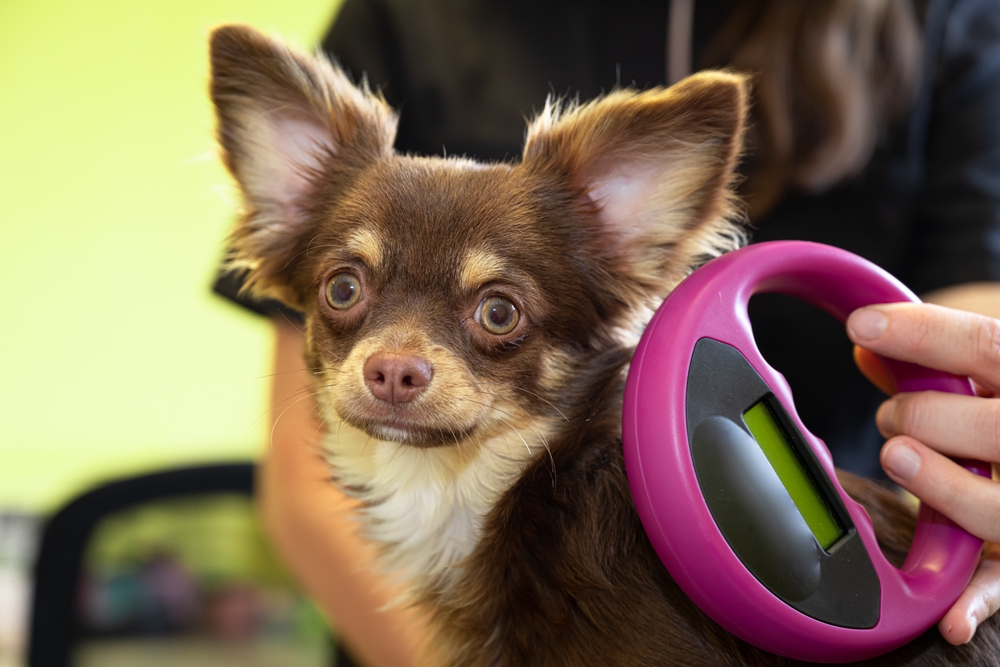
Each microchip contains a unique identification number. When a lost pet is found, a veterinarian, animal shelter, or animal control officer can scan the chip with a handheld reader. That number is then used to access the owner’s contact information through a microchip registry, helping reunite pets with their families. Unlike collars and ID tags, microchips cannot fall off, break, or fade over time.
Are Rescue Pets Already Microchipped?
Many rescue pets are microchipped before adoption, but not all. Some may have been chipped by a previous owner, while others may never have been microchipped at all. Even if your rescue pet already has a microchip, it’s essential to confirm that it is active and registered correctly.
During your pet’s first veterinary visit, your veterinarian can scan for an existing microchip and verify the information associated with it.
Why Updating Microchip Information Is Critical
One of the most common issues with microchips isn’t the chip itself - it’s outdated or incorrect contact information. If your rescue pet was microchipped before adoption, the registry may still list the shelter, rescue organization, or a previous owner.
After adoption, new owners should:
Update the microchip registration with their name, phone number, and address
Add an emergency contact if possible
Keep information current if you move or change phone numbers
A microchip can only help reunite you with your pet if the information tied to it is accurate.
The Importance of Microchipping for Rescue Pets
Rescue pets may be more likely to become lost, especially during the adjustment period in a new home. New sights, sounds, routines, and people can cause anxiety or confusion, increasing the chance of escape.
Microchipping offers several key benefits:
Provides permanent identification for your pet
Significantly increases the chances of being reunited if your pet is lost
Offers peace of mind for pet owners
Serves as proof of ownership in some situations
For pets with a history of displacement, microchipping is an extra layer of security they deserve.
Set Your Pet Up for a Safe Future
Adopting a rescue pet is a rewarding journey filled with new beginnings. Microchipping is a small step that plays a big role in keeping your new companion safe for years to come. By confirming your rescue pet’s microchip status and keeping the information up to date, you’re giving them the best chance of finding their way home if they ever get lost.
Contact Liberty Animal Clinic to schedule your pet’s microchipping appointment and take an important step toward protecting your newest family member. Visit our office in Hinesville, Georgia, or call (912) 205-5400 today.


© 2026 Liberty Animal Clinic. All Rights Reserved. Privacy Policy | Sitemap
Powered by: