Preparing Your Pet for Back-to-School: How to Prevent Separation Anxiety When the House Suddenly Empties in August
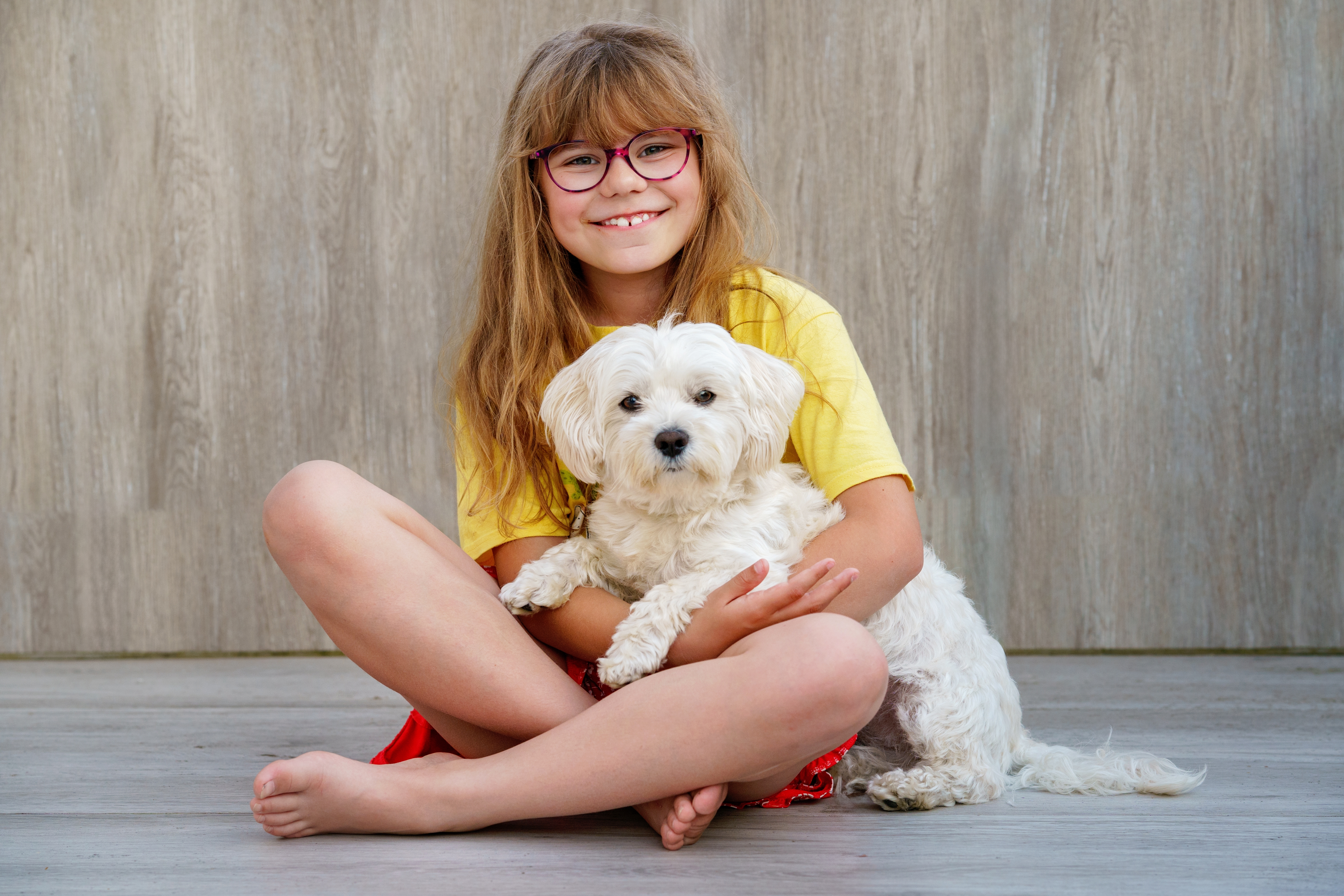
August brings a major change for many Hinesville households. After weeks of summer activity, children return to school and parents settle back into busier routines. For pets that have grown accustomed to having people around all day, the sudden quiet can be difficult. Some dogs and cats adjust quickly, while others may show signs of stress or separation anxiety. Preparing your pet before the school routine begins can make the transition easier and help them feel more comfortable when home alone.
Start Adjusting the Routine Early
Pets often find comfort in predictable schedules. Instead of waiting until the first day of school to change their routine, begin making gradual adjustments beforehand.
Shift feeding times, walks, play sessions, and bathroom breaks toward the schedule you will follow during the school year. You can also practice leaving your pet alone for short periods and slowly increase the amount of time you are away. For Hinesville pet owners, even a week or two of preparation can help make the change feel less sudden.
Watch for Signs of Separation Anxiety
Changes in behavior can indicate that your pet is having difficulty being left alone. Signs may include:
• Excessive barking, whining, or howling
• Destructive chewing or scratching near doors and windows
• Pacing or restlessness
• Indoor accidents in a previously house-trained pet
• Excessive drooling or panting
• Changes in appetite or unusual clinginess when family members are home
These behaviors can have different causes, so persistent or severe symptoms should be discussed with a veterinarian rather than assuming they are simply bad behavior.
Make Alone Time More Comfortable
Providing appropriate enrichment can help keep your pet occupied while the house is quiet. Food puzzles, safe chew toys, interactive toys, or a comfortable resting area may give them something positive to focus on.
Regular exercise is also important. A morning walk or play session can provide physical activity and mental stimulation before everyone leaves for the day. When returning home, keep greetings calm so departures and arrivals do not become overly intense events.
It can also help to avoid making a dramatic production out of leaving. A consistent, relaxed routine teaches your pet that being alone is a normal part of the day.
Know When to Talk With Your Veterinarian
Some pets experience more than mild adjustment stress. If your dog or cat becomes extremely distressed, injures themselves, refuses to eat, repeatedly has accidents, or shows significant behavioral changes, veterinary guidance is important.
At Liberty Animal Clinic, we can evaluate your pet's overall health, discuss their behavior, and help Hinesville families determine appropriate next steps. Depending on the individual pet, managing separation anxiety may involve changes at home, behavioral strategies, or additional veterinary support.
Schedule a visit with Liberty Animal Clinic to discuss your pet’s behavior, health, and changing needs. Contact our office in Hinesville, GA, by calling (912) 368-4080 to book an appointment.


© 2026 Liberty Animal Clinic. All Rights Reserved. Privacy Policy | Sitemap
Powered by: