The Real Cost of Neglecting Your Pet’s Teeth: What to Expect During a Professional Dog Dental Cleaning
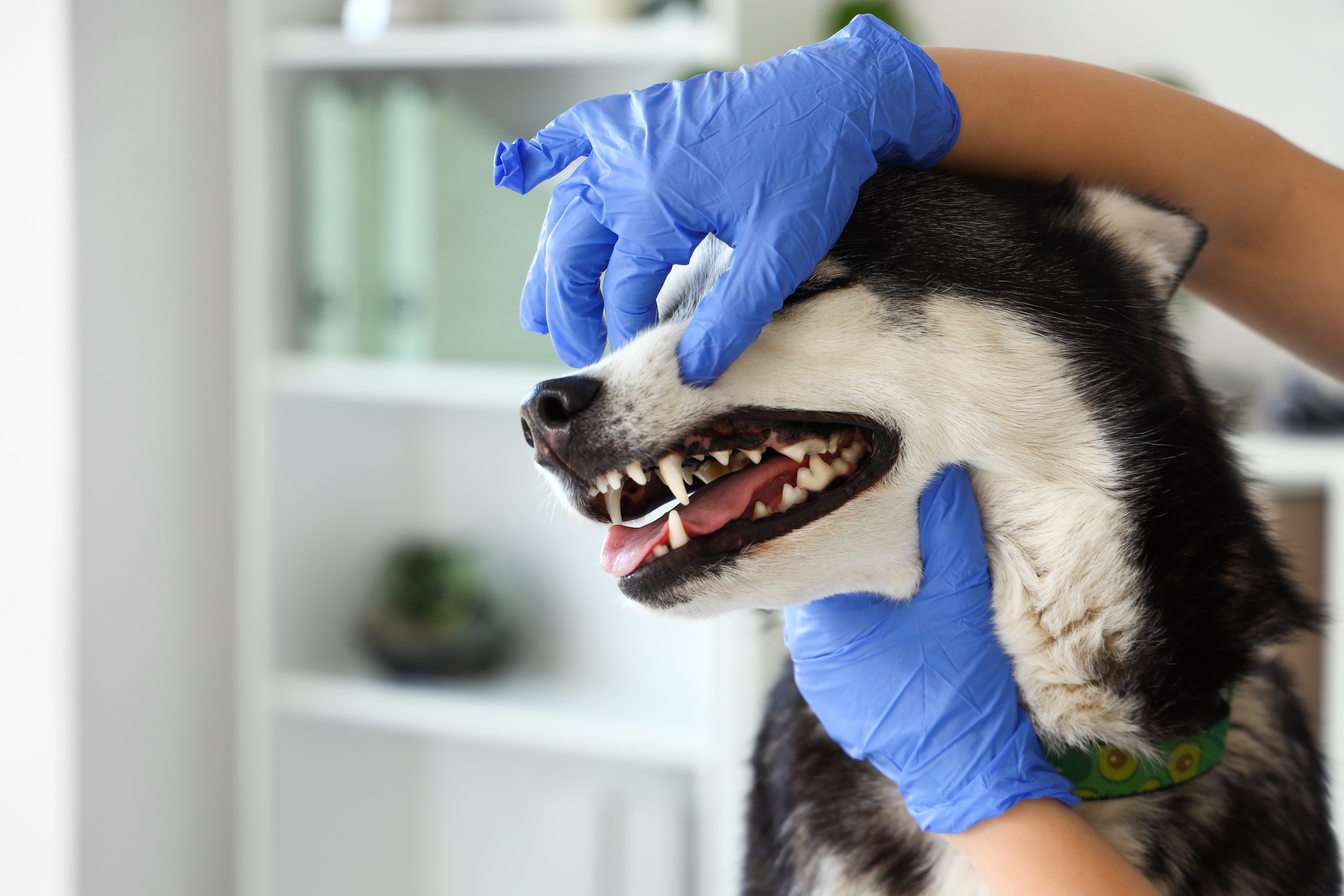
Bad breath may seem like a minor problem, but it can be an early sign of plaque buildup, gum inflammation, or periodontal disease. When dental problems are ignored, infection can progress below the gumline where it is difficult for pet owners to see. Over time, this can lead to chronic discomfort, loose teeth, extractions, and more involved dental treatment.
At Liberty Animal Clinic in Hinesville, we provide professional dental care to help protect your dog's mouth and overall well-being. Addressing dental disease earlier can often prevent a manageable problem from becoming a more complicated and costly one.
Why Dental Disease Can Become Expensive
Plaque forms naturally on your dog's teeth. If it is not removed, it can harden into tartar and contribute to inflammation along the gums. As periodontal disease progresses, the tissues and bone supporting the teeth may begin to deteriorate.
Once teeth become severely damaged or infected, cleaning alone may no longer be enough. Additional treatment, dental imaging, extractions, medications, or follow-up care may become necessary.
The goal of preventive dental care is to address buildup and identify hidden problems before they reach that stage.
Signs Your Dog May Need a Dental Evaluation
Dogs often continue eating even when their mouths hurt, so noticeable changes may appear later than owners expect.
Watch for:
- Persistent bad breath
- Yellow or brown tartar buildup
- Red, swollen, or bleeding gums
- Drooling more than usual
- Difficulty chewing or dropping food
- Chewing primarily on one side
- Loose, broken, or discolored teeth
- Pawing or rubbing at the mouth
Even if your dog does not show these signs, routine oral evaluations can help identify problems earlier.
What Happens Before a Professional Dental Cleaning?
A veterinary dental cleaning typically begins with an examination and assessment of your dog's overall health. Because a thorough cleaning requires anesthesia, your veterinarian may recommend pre-anesthetic blood testing or other diagnostics based on your dog's age and medical history.
Anesthesia allows the veterinary team to examine and clean the mouth safely while reducing stress and preventing movement during treatment.
Your dog's vital signs are monitored throughout the procedure, and the care plan can be adjusted if dental disease is more extensive than expected.
Cleaning Above and Below the Gumline
Professional dental cleaning involves much more than removing visible tartar.
Specialized instruments are used to remove plaque and calculus from the tooth surfaces and from beneath the gumline, where periodontal disease commonly develops. The teeth are then polished to smooth the enamel after scaling.
The gums and individual teeth can also be examined more closely for periodontal pockets, fractures, infection, or other abnormalities.
Dental X-rays may be used to evaluate tooth roots and surrounding bone that cannot be seen during a visual examination. This can reveal hidden disease even when the visible crown of a tooth appears relatively normal.
What If a Diseased Tooth Is Found?
If a tooth is severely damaged, infected, loose, or has lost significant supporting tissue, extraction may be recommended. Removing a painful tooth can improve comfort and eliminate a source of ongoing infection.
This is one reason delaying dental care can increase both the complexity and cost of treatment. A dog that once needed preventive cleaning may later require extractions or more extensive periodontal care.
Home Care Helps Protect the Results
Professional cleaning gives your dog a healthier starting point, but plaque begins returning afterward. Home dental care can help slow that buildup.
Brushing with pet-safe toothpaste is one of the most effective options when your dog tolerates it. Your veterinarian may also recommend dental chews, diets, or other products based on your dog's individual needs.
Regular veterinary exams make it easier to determine when another professional cleaning is appropriate instead of waiting until bad breath or difficulty eating becomes obvious.
If bad breath, tartar, or gum changes have you concerned about your dog's oral health, schedule a dental evaluation with Liberty Animal Clinic at 1001 Beatie Blvd., Hinesville, GA 31313, or call (912) 368-4080 to help prevent painful dental disease and more extensive treatment later.


© 2026 Liberty Animal Clinic. All Rights Reserved. Privacy Policy | Sitemap
Powered by: