Why Is My Dog Not Eating in the Heat? Heat Stress, Dehydration, and Summer Illness in Hinesville Pets
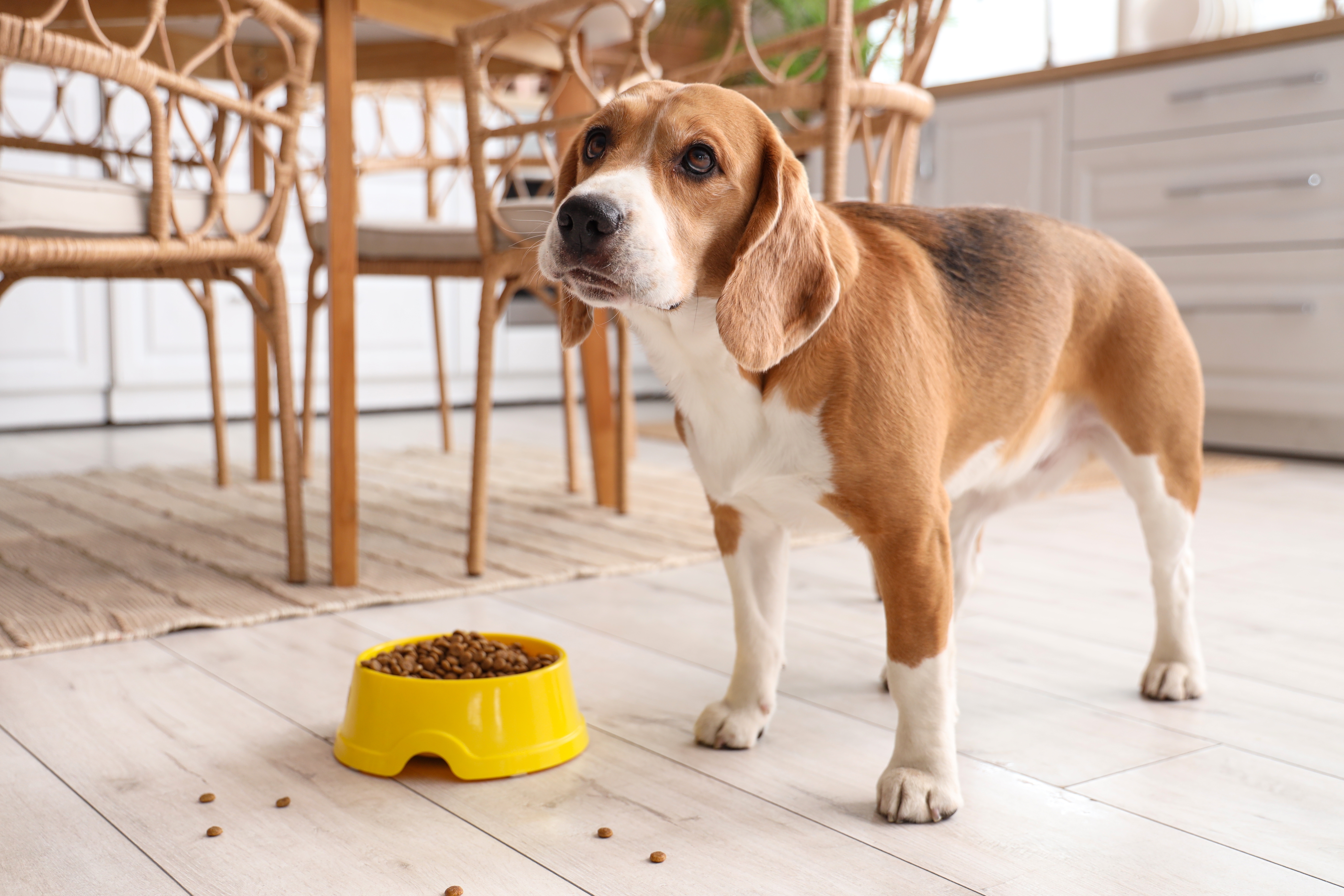
When temperatures rise in Hinesville, many dogs slow down, nap more, and show less interest in food. A slightly smaller appetite on a very hot day is not always unusual, but not eating can also be an early sign of heat stress, dehydration, stomach upset, pain, or illness.
At Liberty Animal Clinic, we encourage pet owners to take appetite changes seriously, especially during Georgia’s hot and humid summer months. Dogs cannot cool themselves the way people do, so heat can affect them quickly.
Why Heat Can Affect Your Dog’s Appetite
Hot weather can make dogs feel tired and uncomfortable. When the body is working harder to regulate temperature, some dogs naturally eat less. This may happen after outdoor play, walks during peak heat, or time in a warm car, yard, or poorly ventilated space.
Humidity in Hinesville can make the heat feel even heavier. Since dogs cool down mainly by panting, humid air makes it harder for that process to work efficiently. If your dog is not eating, drinking less, or acting unusually tired, heat stress may be part of the problem.
Heat Stress Vs. Normal Summer Sluggishness
It is normal for some pets to be less active in summer, but heat stress is more serious. Dogs with heat stress may seem restless, weak, or disoriented. They may pant heavily, drool more than usual, or refuse food and water.
Flat-faced breeds, senior dogs, puppies, overweight pets, and dogs with heart or breathing issues are at higher risk. However, any dog can become overheated in the right conditions. If your dog suddenly stops eating and seems unwell, it is best to call your veterinarian.
Dehydration Can Make Symptoms Worse
Dehydration often goes hand in hand with heat-related illness. A dog that is not drinking enough may quickly become weak, nauseous, or uninterested in food. Vomiting or diarrhea can make dehydration worse and may require veterinary care.
Signs that your dog may be dehydrated or affected by the heat include:
- Heavy panting that does not settle after rest
- Dry or sticky gums
- Lethargy, weakness, or wobbliness
- Refusing food or water
- Vomiting or diarrhea
- Excessive drooling
- Dark urine or less frequent urination
- Collapse, confusion, or trouble standing
If your dog collapses, cannot cool down, or has severe symptoms, seek urgent veterinary care right away.
Other Summer Illnesses Can Cause Appetite Loss
Heat is not the only reason a dog may stop eating. Summer can bring more exposure to parasites, spoiled food, unfamiliar treats, toxins, and outdoor hazards. Dogs may also develop stomach upset from drinking from puddles, eating grass, getting into trash, or swallowing something they should not.
Dental pain, infections, pancreatitis, kidney problems, and other medical issues can also reduce appetite. Because many illnesses look similar at first, an exam helps determine whether your dog is dealing with heat stress, dehydration, pain, or another condition.
What To Do If Your Dog Will Not Eat
Move your dog to a cool, shaded, or air-conditioned space. Offer fresh water, but do not force your dog to drink. Avoid intense activity and monitor their behavior closely. If your dog starts eating again and acts normal, continue watching for changes.
Call your veterinarian if your dog refuses food for more than 24 hours, refuses water, vomits, has diarrhea, seems weak, or shows signs of heat stress. Puppies, seniors, and dogs with existing health conditions should be checked sooner.
Helping Hinesville Pets Stay Safer In The Heat
Walk your dog early in the morning or later in the evening, avoid hot pavement, provide plenty of water, and never leave pets in a parked car. Keeping pets cool and hydrated can help reduce the risk of heat stress and summer illness.
If your dog is not eating, seems dehydrated, or may be struggling with the heat, contact Liberty Animal Clinic in Hinesville, GA at 1001 Beatie Blvd., Hinesville, GA 31313, or call (912) 368-4080.


© 2026 Liberty Animal Clinic. All Rights Reserved. Privacy Policy | Sitemap
Powered by: